Guide
The Biohazard Cleanup Seasonal Calendar
This biohazard cleanup seasonal calendar maps the year as crews in this trade feel it in their call logs, even where no official monthly count exists. The same death produces a different job in July than in January, and different months put different households at risk of being found late. The page sets out the patterns season by season, and the small habits that change them. Where a claim would need a statistic we do not have, we say what crews observe instead of inventing a number.
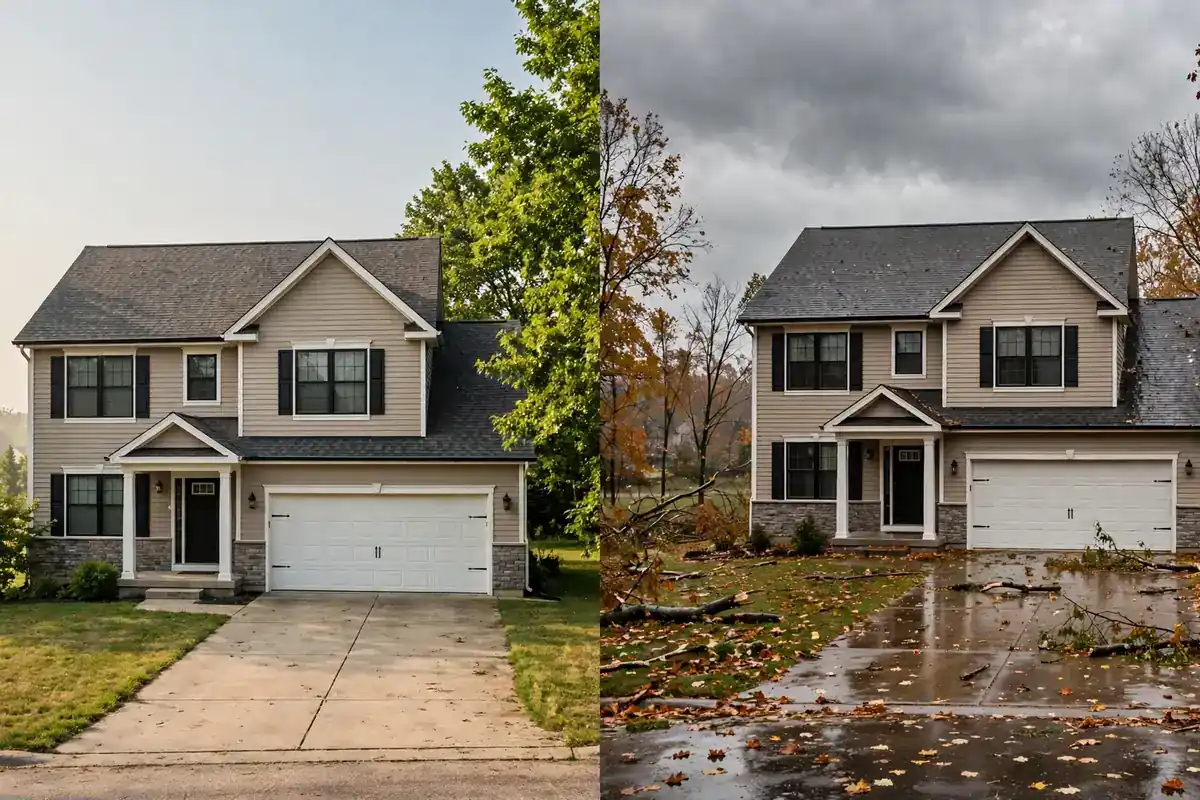
Biohazard work follows the calendar in predictable ways. Heat speeds decomposition and shortens safe discovery times in summer. Winter isolation stretches the gap between a death and its discovery. Storm season brings flood scenes and generator deaths, and the holidays are when welfare checks matter most. The patterns below are risk patterns, stated plainly, not statistics.
Summer: heat is the accelerant
Heat changes everything about a scene. Decomposition that takes a week in a cool house can take days in a hot one, fluids travel further, and odor reaches neighbours sooner. Our timeline of what happens inside a home over time is written in cool weather terms; summer compresses it. Summer is also holiday season, which empties the street of the people who would usually notice an uncollected delivery or a dark house. Vacation homes and short term rentals carry their own version: a guest or a cleaner finds what a neighbour would have caught at home. The practical habit for summer is a shorter check in gap for anyone elderly living alone, and a named neighbour with a key whenever a household travels.
Autumn: storm season and the turnover months
The Atlantic hurricane season runs into November, and its cleanup shadow is longer than the storms. Flooded homes hold contaminated water and material that must be treated as biohazard waste once the water drops, and the deaths found after storms, including carbon monoxide deaths from generators run during outages, become scenes when the authorities release the property. Autumn is also turnover season for rentals and student housing: units opened after a gap, sometimes months after a problem began. Landlords reading this pattern will recognise the September walkthrough. A scheduled entry after every vacancy gap, with a second person present, is the landlord version of the welfare check.
Winter: isolation is the risk
Winter reverses the summer problem. Cold slows decomposition, so a scene found in January may be physically smaller than the same scene found in July, but winter deaths are found later. Short days, bad weather and the social retreat of the cold months stretch the time between a death and its discovery, and the holiday period cuts both ways: families gather, which catches problems, and then everyone leaves at once, which creates the longest silence of the year. The cases crews describe most from this season follow the same shape, a relative visited at Christmas, and nobody due again until spring. A standing weekly call after the holidays, kept all winter, closes most of that gap.
Spring: the discovery season
Spring produces discoveries rather than risks of its own. Properties reopen: lake houses, cabins, seasonal rentals and homes of people who winter elsewhere. Estate work peaks as families act on winter deaths, selling or clearing homes, which is when older scenes surface in outbuildings and spare rooms. Spring storms in the middle of the country add flood scenes of their own. If you are opening a property that has stood empty since autumn, open it with another adult present, air it before you search it, and treat any strong odor as a reason to call before you clean. Our guide to finding a loved one days later covers what to do in that first hour, in any season.
What the biohazard cleanup seasonal calendar asks of you
Every pattern above bends to the same three habits. Daily contact with anyone vulnerable who lives alone, by call or message, with silence treated as information. A neighbour or nearby relative who holds a key and knows they hold it. And for landlords and property managers, a documented check in rhythm for any unit whose tenant has gone quiet, inside whatever notice rules the state sets. None of this is cleanup work. It is the reason some families meet a crew after a contained one room job, and others meet one after the hardest discovery of their lives. When a discovery does happen, our page on what to do if you find someone dead is the place to start.
Questions families ask us
Which season carries the highest risk of a late discovery?
Summer, because heat speeds decomposition so much that days matter more, and because holidays empty houses of the neighbours and relatives who usually notice. Winter runs second, for the opposite reason: isolation lasts longer and people check in less often.
How often should someone check on an elderly relative living alone?
A short daily contact is the habit that prevents most late discoveries: a call, a message answered, a neighbour who notices curtains. No schedule removes the risk entirely, but a gap of more than two days is where families should treat silence as a reason to visit or send someone.
Does cleanup cost more in summer?
The rates do not change with the season, but the jobs do. Heat means more material is affected by the time a scene is found, and more affected material is what moves a job up the cost ranges.
Are storm deaths a biohazard cleanup issue?
Sometimes. Flood water itself is handled as contaminated material, and deaths discovered after a storm, including generator carbon monoxide deaths during outages, become cleanup scenes once the authorities release the property.
One call starts the process
You do not have to face the scene, the smell or the paperwork alone. Call and we will connect you with a trained, verified local cleanup crew, day or night.
Call NowOpen 24 hours, every day, nationwide.